Concrete Driveways for Busy Households
Request an estimate in minutes
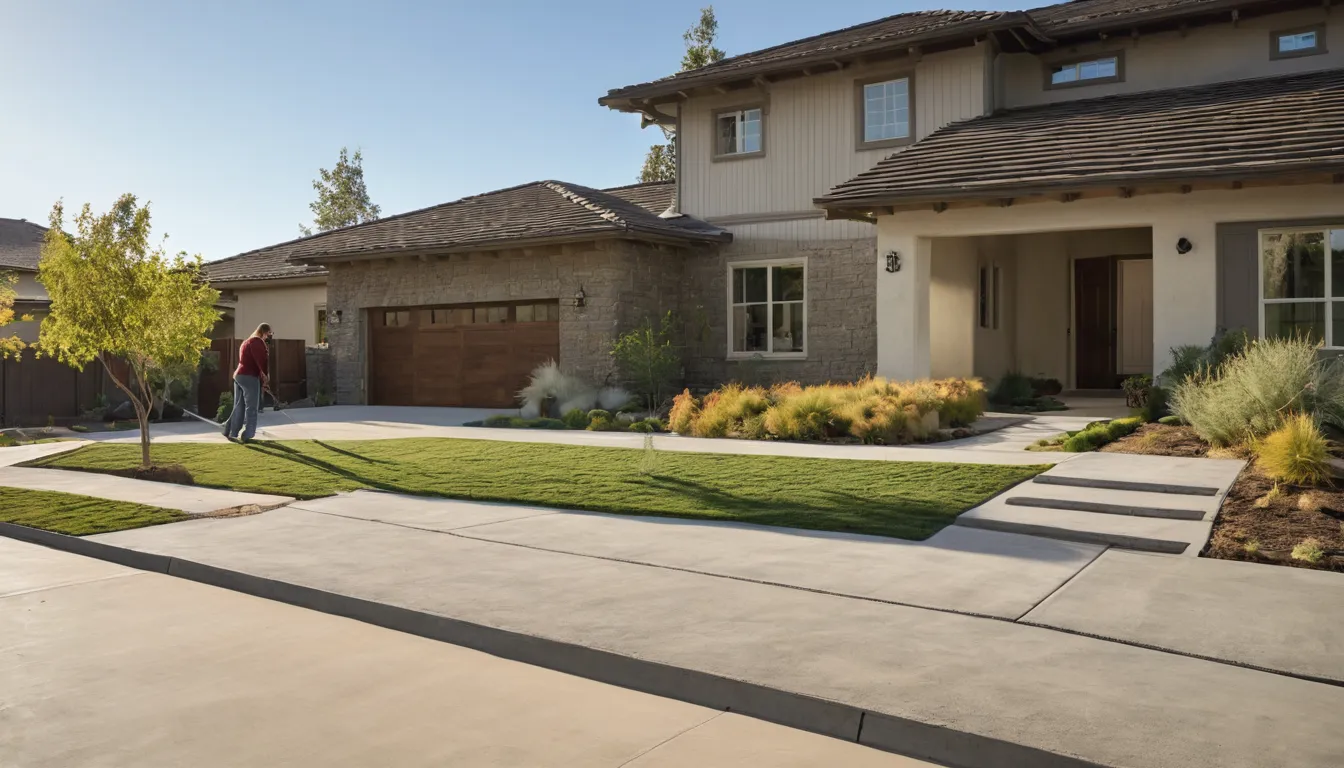
A new concrete driveway is a big project, but it does not need to take over your week. Representativesstudies Concrete is a referral service. The pouring is done by independent providers in our network, not by Representativesstudies Concrete.
The process is simple. First, note what you want: size, finish, and any slope or drainage concerns. Next, send one request. Then compare written quotes and pick a provider. Ask them to plan around school runs, work shifts, and local weather, so the driveway is back in use when you need it. Costs vary by job, so always get the details in writing before you agree to anything.
Start Here: Is It Time for a New Driveway?
Most people search for this after a driveway has been annoying them for a while. Use this quick check. If two or more items fit, a new driveway is worth pricing.
- Cracks wider than a finger or edges that crumble
- Slabs that sit at different heights
- Pooled water after rain
- Deep stains or a rough, flaking surface
- Cracks that keep returning after patching
Replace or Patch?
Small, narrow cracks can often be sealed. Many homeowners search for concrete driveway repair first. That is a fair start. But if the damage is spread across the whole slab, patching only delays the bill. A provider can look at the base, the cracks, and the slope, then tell you which path makes sense.
First, Define It
Write down five things before you request quotes:
1. Length and width, or a rough sketch 2. Number of cars that park there 3. Finish you prefer 4. Any slope toward the house or garage 5. Your ideal start window
This list keeps quotes easy to compare.
What a New Driveway Project Includes
The job usually follows a set order. Ask each provider to list every step in writing.
1. Removal of the old slab
The old concrete is broken up and hauled away. This is often the noisiest day.
2. Base preparation
The soil is graded and compacted. A gravel base is often added. A solid base is what keeps new slabs from shifting.
3. Forms and reinforcement
Wood forms set the shape and edges. Steel mesh or rebar is added when the plan calls for it.
4. Pour and finish
Concrete is placed, leveled, and finished. Joints are cut so the slab cracks along neat lines, not random ones.
Choosing Size, Thickness and Finish
Size comes from how you live. A single lane is cheaper than a double. But think about guest parking and turning room.
Thickness matters too. Many residential driveways are about four inches thick. Heavier vehicles may call for more. Ask the provider what they recommend and why.
Finish is a balance of grip and looks. A broom finish gives traction and hides small marks. A smooth trowel finish can get slick when wet. Decorative options exist, but keep them to a separate quote line.
Plan Around Life
A driveway job blocks your car access. Plan for that early.
- Park on the street or at a neighbor's home for the work days
- Ask for the pour date in writing
- Move bikes, bins, and planters ahead of time
- Tell the provider about work shifts and school drop-offs
- Ask how many days before you can walk on it, and when cars can use it
Curing takes time. Foot traffic comes first. Vehicles come later. Your provider will give you the timing for their mix.
Seasonal Readiness
Weather shapes the schedule. Long dry stretches are good for pouring, but hot, windy days can make concrete dry too fast. Providers may start early in the day or use curing methods to protect the surface.
Winter rain events can delay a pour or wash out a prepared base. Ask what happens if rain is forecast. Smoke seasons can also affect how comfortable the work is for crews and for your household. Ask about your provider's plan.
Mild coastal temperatures are easier on fresh concrete. Still, plan a backup date.
Permits and the Street Apron
The apron is the part of the driveway that meets the street. Many cities have rules for its width, slope, and thickness. Some require a permit. Some require an inspection.
Ask each provider who handles the permit and who pays the fee. Get that in the quote. Also check any homeowner association rules before you choose a finish.
Drainage and Your Foundation
Water should flow away from the house. A driveway that slopes toward the garage can cause trouble over time. If you see cracked walls or sticking doors near the driveway, ask about foundation repair experts before you pour. That work is separate and should be sorted out first.
Choosing a Concrete Contractor
Use this short list when you compare providers:
- Is the quote itemized and in writing?
- Does it name the thickness, base, and reinforcement?
- Who handles permits and haul-away?
- What is the start window and how long is the job?
- What happens if weather delays the pour?
- Is the provider licensed and insured where your area requires it?
Quote in writing. Then compare the same items side by side. A quote with a small-looking number may leave things out, so check the details.
Before you sign, confirm that the provider handles all concrete flatwork you want done in one visit, such as a walkway or pad beside the driveway. Bundling can reduce repeat disruption.
After the Pour
Follow this order:
1. Keep pets, kids, and feet off until the provider says it is safe. 2. Keep cars off for the time they give you. 3. Avoid de-icing salts and harsh chemicals on young concrete. 4. Ask when a sealer can be applied. 5. Keep gutters and downspouts clear so water does not sit at the edges.
Small hairline cracks can show up as concrete cures. Ask your provider what is normal and what to report.
Next Step
You have your list. Send one request and compare written quotes. If you prefer to talk it through, Request a callback to check provider availability.
What's Included
Old Slab Removal
Breaking up, loading, and hauling away the worn driveway so the site is clear for new work.
Base and Grading
Compacted soil and gravel set the slope so water drains away from your home.
Forms and Reinforcement
Wood forms shape the edges. Mesh or rebar adds strength where the plan calls for it.
Pour, Finish, Joints
Concrete is placed and finished, then jointed so cracks follow clean lines.
Typical New Driveway Price Ranges
These are typical U.S. ranges. Real prices vary by size, site access, thickness, and finish. Always get a written quote before you agree to any work.
| Item | Typical range | Notes |
|---|---|---|
| Basic plain driveway (per sq ft) | $6 – $12 | Broom finish, standard thickness |
| Single-lane driveway | $2,500 – $5,000 | Depends on length and prep |
| Double-wide driveway | $5,000 – $10,000 | More area, more concrete |
| Old slab removal | $1 – $3 per sq ft | Price rises with thickness and rebar |
| Base and grading | $1 – $3 per sq ft | Extra if soil is poor or sloped |
| Street apron permit | $50 – $500 | Rules and fees vary by city |
How It Works
Define the Project
List size, finish, slope, and your preferred start window before you ask for quotes.
Send One Request
Fill out the short form. Representativesstudies Concrete passes it to providers in our network.
Compare Written Quotes
Check thickness, base, permits, haul-away, and timing line by line.
Schedule Around Life
Pick a provider and confirm dates that work for your household and local weather.
Why Call Representativesstudies Concrete
One Request, Many Quotes
Send your details once and compare written quotes from independent local providers in our network.
Organized Start
A clear checklist helps you describe the project so quotes are easier to compare.
Schedule Friendly
Share your routines and let providers propose dates that fit your household and the weather.
No Obligation
Request an estimate and decide on your own time. Nothing requires you to hire anyone.
Other Services
Need concrete driveways in Daly City?
Send your driveway or patio plans through the estimate request form, or request a callback to check provider availability.
No obligationConcrete Driveways FAQ
How long does a new concrete driveway take?
Removal, prep, and pouring often take a few days for a typical home. Curing takes longer. Foot traffic may be allowed first, and cars later. Your provider will give timing for their mix and the weather.
How thick should a concrete driveway be?
Many residential driveways are about four inches thick. Heavier vehicles or weak soil may call for more thickness or added reinforcement. Ask each provider to list thickness and base details in the written quote.
Do I need a permit for a new driveway?
Often the street apron needs a permit, and some cities also require inspections. Rules vary by location. Ask each provider who handles the permit and who pays the fee, and get it written in the quote.
Get in touch
Send your driveway or patio plans through the estimate request form, or request a callback to check provider availability.
No obligation